

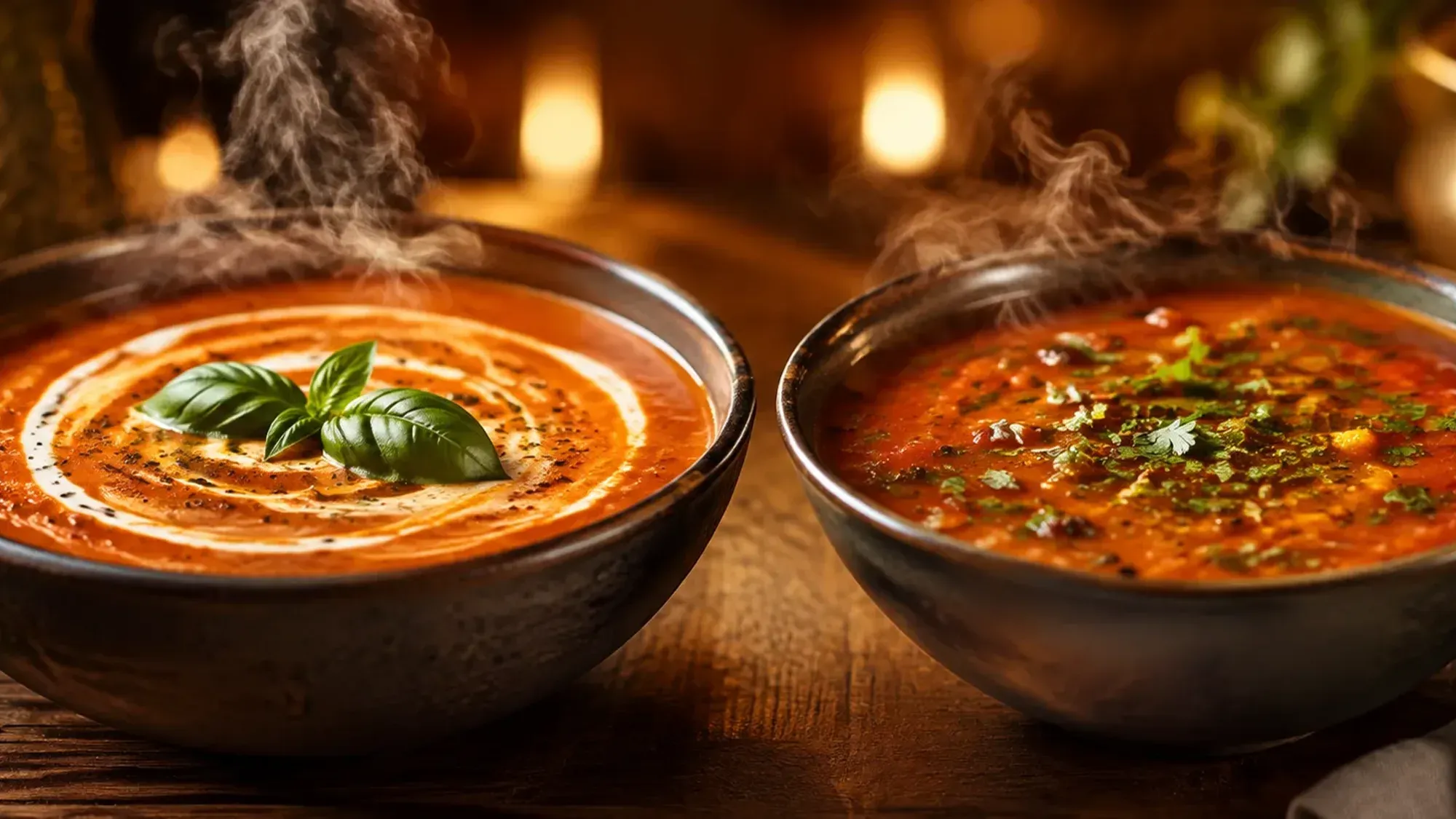
Which country are your tomatoes going to?
Tomato Soup
We got a fresh harvest of tomatoes from our garden There is nothing quite like a harvest of fresh, juicy, red, ripe tomatoes and the possibilities of what they can become.
It is six in the evening. Nobody wants a proper meal. The fridge is offering half a cucumber, a box of curd, some carrots and a broccoli head and none are interesting like the tomatoes are.. So the only question left is which country I am cooking in tonight.
That sounds grander than it is. It comes down to one small thing at the stove. If I put olive oil in the pan and drop garlic into it, our home smells like somebody in Italy is expecting guests. If I put ghee in the pan and drop jeera into it, my home smells like something of a delectable possibility being started on.
Same tomatoes. Two soups that have almost nothing to do with each other.
Why tomatoes need help
A raw tomato on its own makes a thin, sour, faintly disappointing liquid. Blend one and taste it if you do not believe me. But slice them and add a slug of olive oil, a pinch of salt and pepper and toss. And you will start to believe that alchemy is real. There that’s a bonus quick recipe already.
The best way to turn tomatoes into soup is fat, salt, heat and time, and mostly the last two, because tomatoes only give up their sweetness when they are cooked long enough to collapse.
Fat does the carrying. The flavour in garlic and basil is fat soluble, which is a technical way of saying it will not reach your tongue properly if there is no oil for it to dissolve into. Olive oil carries in a straight line. It picks up the garlic, holds it, and hands it to you more or less as it was.
Ghee with whole spices in it is doing something else. Jeera (cumin) and dalchini (cinnamon) and a bay leaf sitting in hot fat for forty seconds release oils they will not release into water at any temperature. That is the whole reason for the tadka. Chefs the world over are running small chemistry experiment every single day and never thought about it that way..
A pinch of sugar in a tomato soup is allowed. It is there to sit on the acid, not to sweeten anything, and if your tomatoes are the good red ones you will not need it. A teaspoon of besan in the shorba is also allowed. It gives body to something that would otherwise be tomato-flavoured water. Nobody is watching. Use both.
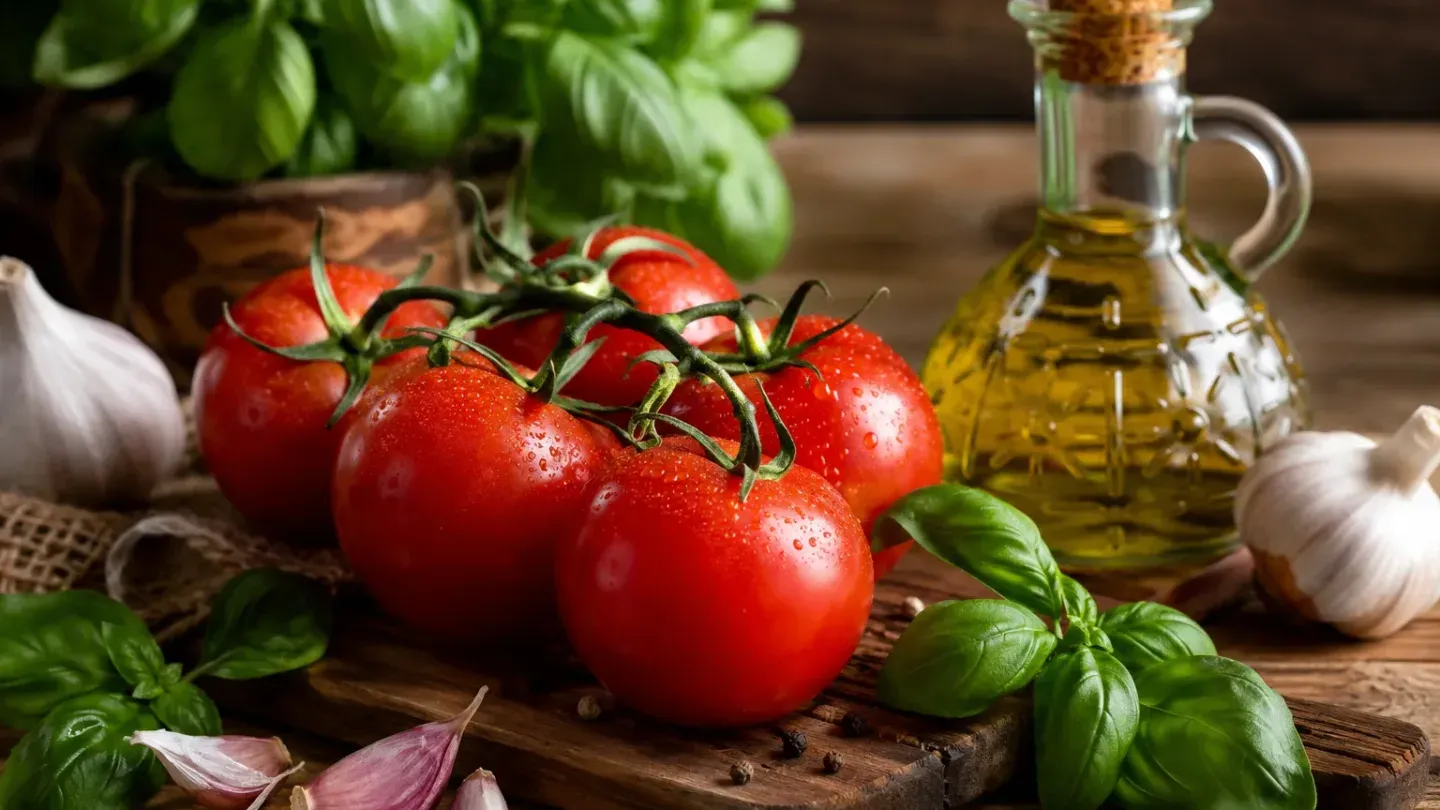
The Italian one
For two people, and it will be generous.
- 3 tablespoons olive oil, plus a little more for the bowl
- 5 or 6 cloves of garlic, sliced thin, not crushed
- 1 small onion, chopped fine (optional, it makes the soup sweeter and rounder)
- 700 grams ripe tomatoes, or one 400 gram tin of whole peeled tomatoes
- 10 to 12 basil leaves
- Salt and freshly cracked black pepper
- A pinch of sugar if the tomatoes are sour
Peel and chop the garlic first and let it sit. The good stuff in garlic (I have forgotten what it’s called) releases when it has been sitting for 15-20 minutes but not more.
Warm the oil on a low flame. Not hot. Put the garlic in while the oil is still gentle and wait until it just begins to whisper, pale gold at the edges. Garlic that browns has turned bitter and there is no rescuing it. Onion in now if you are using onion, and let it go soft without colour, five or six minutes.
Tomatoes in, roughly chopped, along with any juice. A teeny sprinkle of salt. Turn the flame down and leave it for twenty minutes. Don’t rush. Go meditate. You are waiting for the tomatoes to stop being pieces and become one. When the oil starts separating out at the edges in little orange pools, you are there.
Blend it or leave it chunky, whichever mood you are in. Tear the basil, do not chop it, and stir it in with the flame off so the heat of the soup opens it rather than kills it. Pepper. I use almost none, Dinesh likes a lot. Into the soup bowl, and then a thread of raw olive oil over the top, which is an important step many skip. That step that makes it taste like Italy.
Do you have to peel the tomatoes? Not if they are from your garden. Otherwise tomatoes are sprayed will all sorts of nasty things and peeling is a great idea. When you blend tomatoes the skin vanishes, but those pesticides are not well and truly in your food. Don’t be lazy, it’s a few minutes more, and it helps.
If you are leaving the soup chunky and you dislike finding curls of skin in your spoon, drop them in boiling water for a minute and the skins slide off with no effort. Don’t use tinned tomatoes, regardless of what anyone tell you.
Adjust salt to taste and serve hot with toasted and (if you are feeling generous), buttered sourdough bread.
The shorba
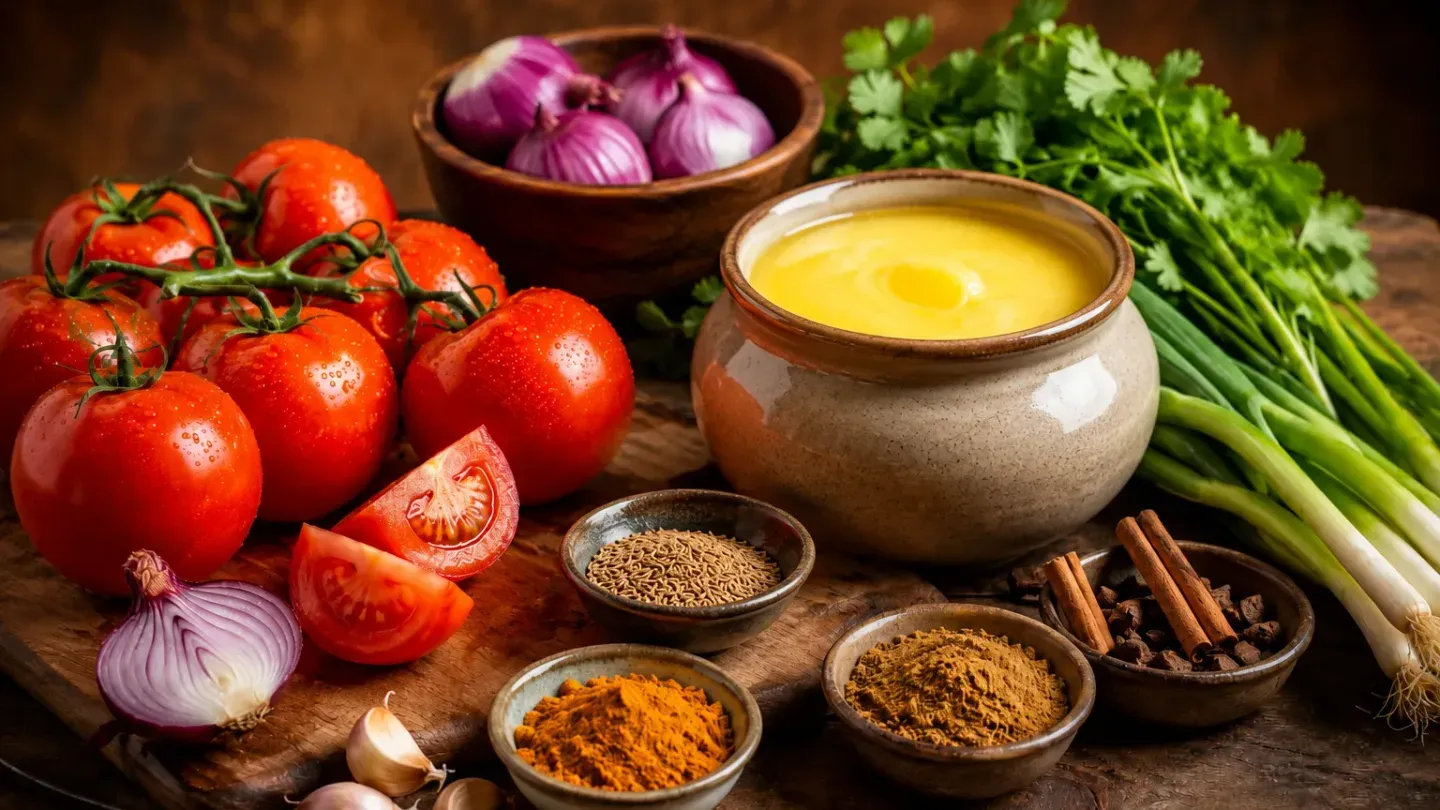
For two, and this one is meant to be drunk from a mug more than spooned through.
- 1 tablespoon ghee, or oil
- 1 teaspoon jeera
- 1 bay leaf
- A small stick of dalchini, about an inch
- 1 inch ginger, grated
- 3 cloves garlic, crushed
- 500 grams tomatoes, chopped
- 1/4 teaspoon haldi (turmeric powder)
- 1 teaspoon besan
- 1/2 teaspoon black pepper, coarsely crushed
- Salt, a handful of coriander leaves, half a lime
- 600 ml water (better with soup stock)
Heat the ghee. Jeera in first and wait for it to darken a shade and start smelling of itself, then the bay leaf and dalchini for ten seconds, then ginger and garlic until the raw edge goes off them. Tomatoes and haldi in, sprinkle salt, and let them cook down until they are pulpy, about eight to ten minutes.
Now the water or soup stock. All of it. This soup is thin on purpose. Simmer fifteen minutes on a low flame while you mix the besan with three tablespoons of cold water in a cup until there are no lumps at all, then pour that slurry in slowly while stirring. Cook another five minutes, otherwise the besan tastes raw. Black pepper at the end so it stays sharp, coriander thrown in, lime squeezed at the table.
A friend uses coriander stems in her shorba, that she adds with the ginger and garlic - it gives it another level of flavour.
Strain it if you want it clear, which is how it is usually served at weddings, in those small glasses that go around while everybody is still standing about. At home I do not bother. I prefer to have my shorba with everything floating around in it.
The word shorba came in from Persian and it means broth, nothing fancier. It travelled with Mughal cooking into north Indian kitchens and stayed, which explains how it is built. Whole spices bloomed in fat rather than the powdered masalas we grind for gravies. Something thin enough to drink before the food, to wake the appetite up rather than finish it off. The tomato version is new, because the tomato itself is a newcomer here. It came with the Portuguese and took a couple of hundred years before anyone took it seriously in an Indian kitchen. So this is a Persian idea wearing a Portuguese vegetable, cooked with spices that were here before either of them turned up. Nobody planned it. Kitchens simply absorb whatever walks in and keep whatever works.
What the two do to you
Garlic, basil and good olive oil are bright. You finish the bowl and you want to talk. It is a soup for an evening when people are visiting and the conversation has not started properly yet.
The shorba goes the other way. Jeera, ginger and black pepper are warming spices, the ones Ayurveda hands out for digestion, and after a mug of it around seven in the evening you may find your eyelids getting heavy by half past ten without anybody having to suggest it. Honour that and go to bed.
Which brings me to the useful bit. Eat before 7 pm. Sleep between 10 and 11.30. Digestion is real physical work, and if you hand the body a heavy meal at half past ten you have asked it to run a factory shift during the hours it wanted to spend repairing you. You will still sleep. You will just wake up feeling like you were arguing with somebody all night.
A bowl of soup and two slices of toast is the cheapest sleep aid in the house.
The other thing this evening gives you is the cooking itself. Standing at the stove waiting for tomatoes to collapse is fifteen minutes with genuinely nothing to do. You cannot hurry it. You stir occasionally because you want to, not because it needs it. The mind, which has been sprinting since morning, finds itself in a room with no exits and eventually settles down.
I notice my attention behaves much better after fifteen minutes at the stove than after fifteen minutes on a screen. The phone keeps promising something better on the next scroll. The pot promises amazing soup. And keeps that promise.
So tonight, garlic or jeera. Warm the oil and see which one your hand reaches for. The tomatoes won’t mind either way.
Bon Apetit!
More from us
We teach Art of Living programmes across India and online, and the dates are on our schedule. Come and learn to meditate and breathe with us. Between us we have been at this for 35+ years and have taught over 250,000+ people, and we still look forward to every course.
Our videos go up on YouTube at @bawadinesh99. Subscribe and boop that bell button, otherwise the algorithm decides what you see and it has terrible taste.
There is a membership on the channel as well. Members get longer talks and live sessions that we keep just for them, which is the closest we can get to sitting in a room with you when we are nowhere near your city.
Joining is a small thing at your end and a large one at ours. Thank you for whichever bit of this you say yes to.
New kids on the blog
All posts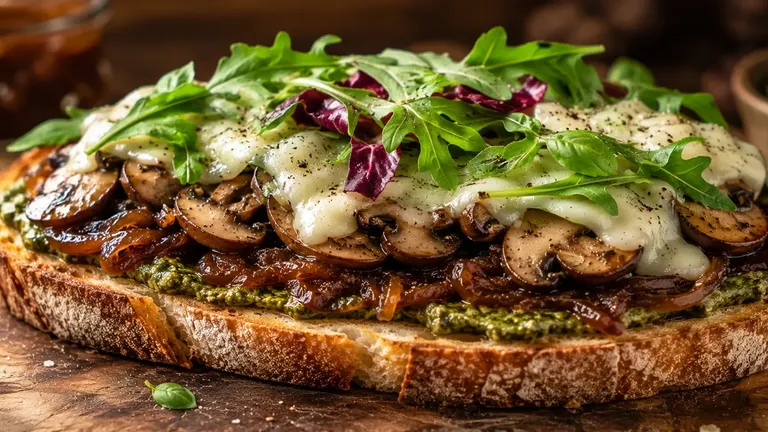
Recipes
My Vegan Open Sandwich On Sourdough
Seven bowls in the fridge, made across different days, none of them meant for each other. A friend in a hurry to catch a flight, and five minutes of actual work between those bowls and a plate he sat down for. Onion jam, pesto, cashew cheese, all of it from scratch.
Recipes
A Salad and a Story
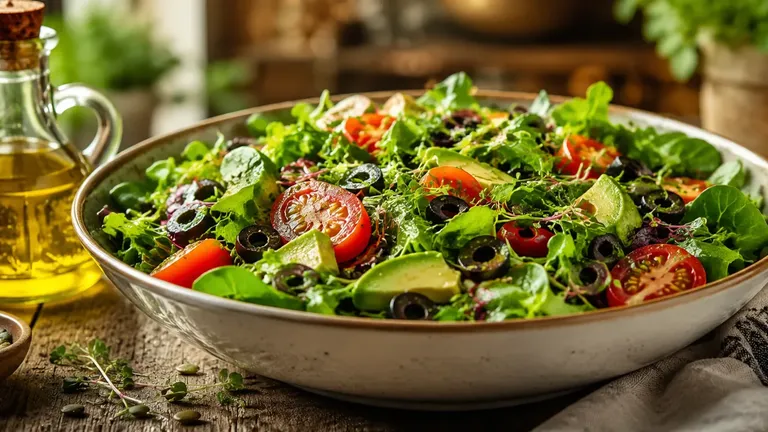
How to buy leaves so they don't turn slimy by Thursday, wash them in still water instead of under the tap, and mix a dressing at three parts oil to one part acid. Also the day Gurudev put a big bowl of salad in front of me.

Spirituality
What A Guru Takes Away
A teacher adds to your life by teaching, evaluating and giving you knowledge. A Guru takes away from you. Read on to find out what and how that makes all the difference.


Join the conversation
Your first comment is read before it appears. After that yours go up straight away. Your email is never published.